

A room can be spotless and still not feel calm.
Most people try to fix that with tidying, and it does not work, because calm is not one thing. It is
five inputs arriving at once — and if any of them is wrong, the room stays slightly on edge no
matter how clean it is.
Here is what those five are, in the order they matter, and what to do about each without rebuilding
anything.
1. Light
Overhead lighting is the most common reason a room feels clinical. One bright source above eye level
flattens everything and puts a reflection between you and the room.
What to do: turn the ceiling light off after dark, and light one thing at knee or
table height instead. A
single low
source gives the room depth, and gives your eyes somewhere soft to rest.
2. Scent
Scent is processed with memory, which is why it changes how a room feels faster than anything else you
can add. It is also the input most people leave to chance.
What to do: pick one scent for the room and use only that one. Layering three
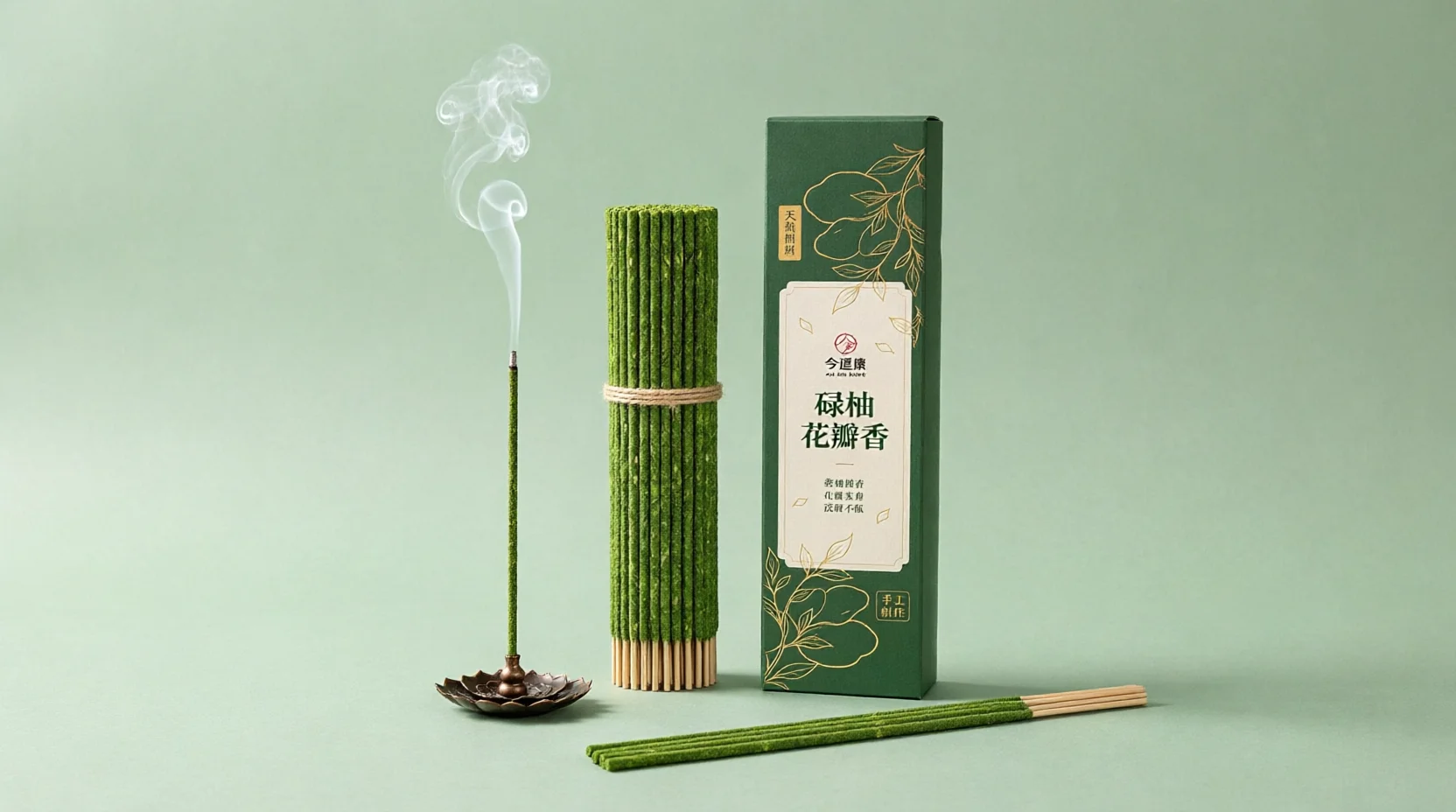
different scents produces a smell rather than an atmosphere. A
woody,
neutral incense is easy to live with because it stays in the background, and a
backflow
burner adds a slow, downward-moving thread of smoke that gives the eye something to follow while
nothing is happening.
3. Sound
Most rooms are not quiet; they are full of small mechanical noise — a fridge, a fan, a
neighbour’s television, a notification. The problem is not the volume, it is that none of it is
steady enough to ignore.
What to do: add one continuous, low sound and the irregular ones stop standing out.
It can be a fan, a recording of rain, or simply a window open onto something steady.

4. Texture
Rooms read through the hands as well as the eyes. Hard, cold, reflective surfaces everywhere produce a
space that feels temporary.
What to do: introduce one soft thing at the height you actually touch — a
cushion, a throw, a mat — and one warm material such as wood or unglazed ceramic. If you want the
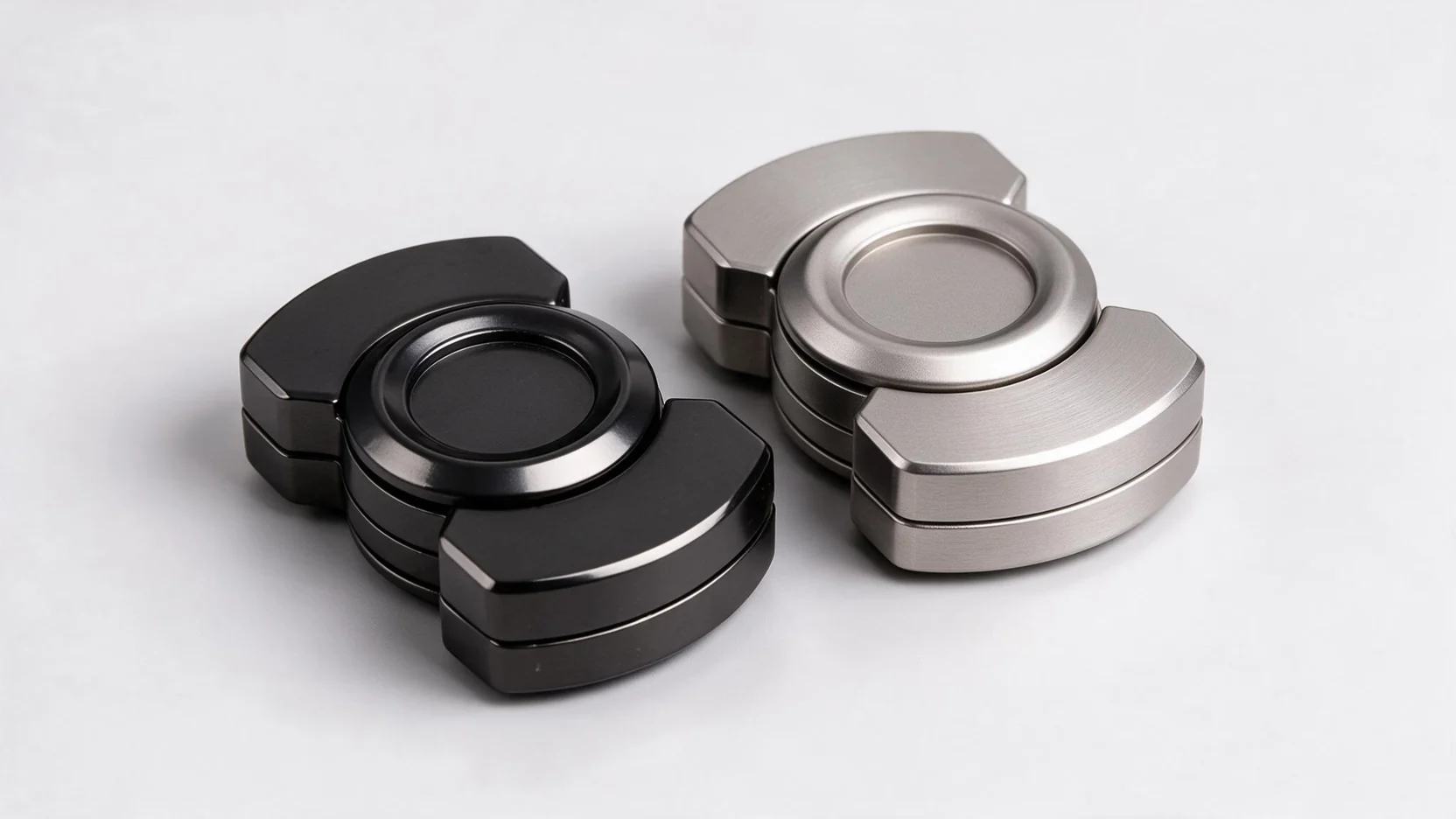
same effect at your desk, a piece of
cool, weighty metal does more for a working surface than another coaster.
5. Order — the one that undoes the other four
Light, scent, sound and texture all work, and then a single visible pile of unresolved objects
cancels them. Not because mess is immoral, but because unresolved objects are things your attention
keeps checking.
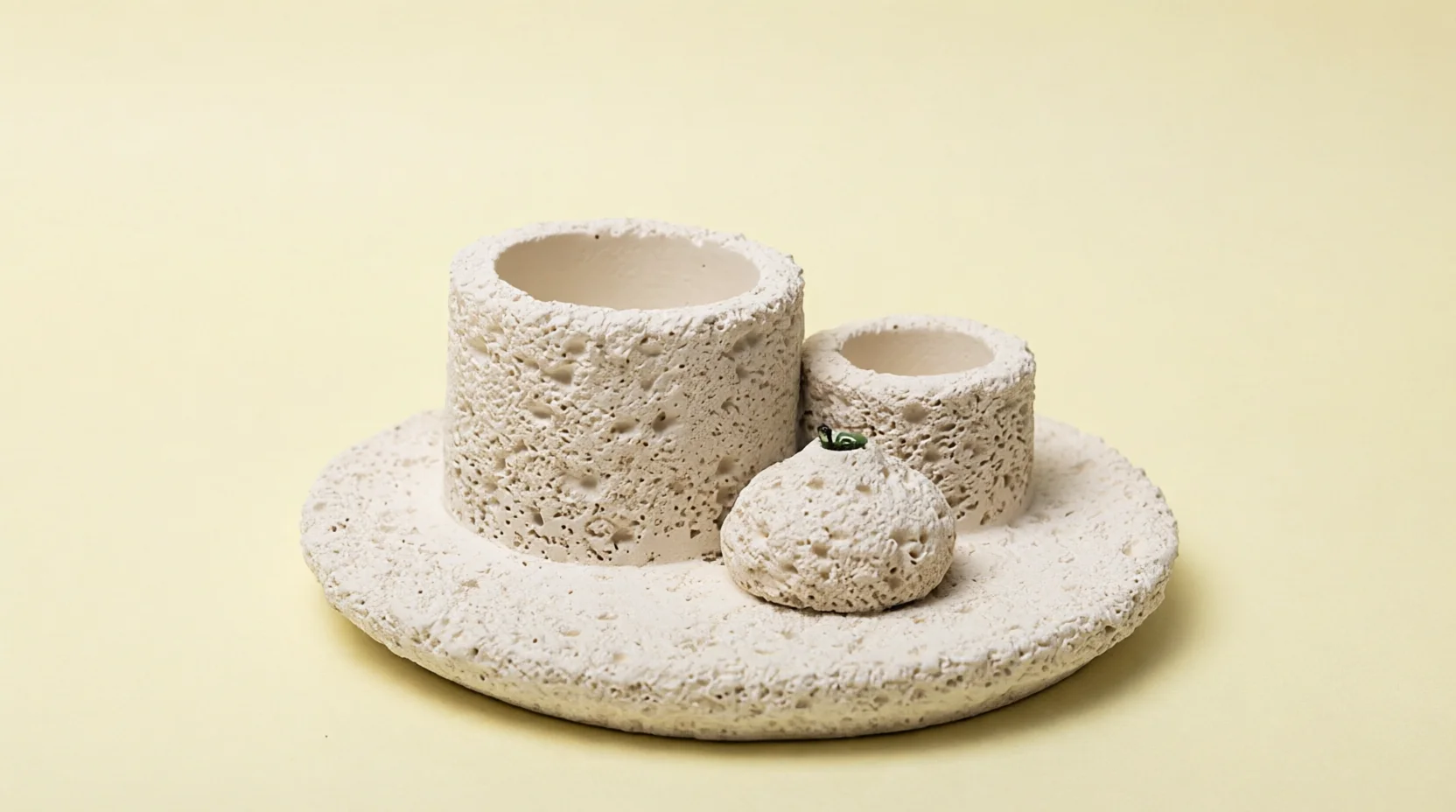
What to do: give every surface a job. A side table holds a lamp and a candle holder,
and nothing else. A
cup
rack on the counter does the same thing in a kitchen: it turns a loose set of objects into a
deliberate one.
Setting up one room, in five steps
- Turn the overhead light off. Light one lamp or candle instead.
- Choose one scent and commit to it for a month.
- Add one steady sound. Something low and continuous.
- Put one soft thing within reach of wherever you sit.
- Clear one surface completely and give it a job.
Twenty minutes of work, and nothing bought except possibly the candle.

Questions we get asked
How do I make my home feel calm without spending much?
Turn off the overhead light and clear one surface. Those two changes are free and account for most of
the difference people notice.
What colour makes a room feel calm?
Low-saturation colours help, but light matters more than colour. The same wall reads calm by lamplight
and clinical under a ceiling panel.
Does scent really matter, or is it decoration?
It matters more than most people expect. Scent reaches memory and mood faster than sight does, which is
why the same room can feel completely different with the window open and something burning.
Is minimalism necessary for a calm space?
No — what is necessary is that the objects in the room are doing something.
Fewer working objects helps, but so does a full room where everything has a
purpose.
Where do I start if I only have ten minutes?
The light. Turn the overhead off and light one low source. If that alone does not change how the room
feels, the problem is the next input down the list.
Where to go next
Pieces from our Calming Home Decor and
Incense & Fragrance collections, chosen because each one does a job in a room rather
than filling a shelf. The gift guide groups them by occasion.
Everything in the collection is in stock now, with shipping included in the price.
This article is about everyday habits at home and is not medical advice.
Related reading
- Embracing Minimalism — why handmade pieces calm a room down.
- Quiet Fidget Toys for Open Offices — the desk-sized version of the same idea.
- China purchasing service — order Chinese homeware on request.