

1688 is where a lot of the objects sold on Taobao actually come from. It is a wholesale platform, prices are lower, and the trap is that the shape of the goods is chosen by the factory rather than by a shop — which means a great many of them are large.
For home décor that matters more than anything else, because air freight is charged on volume as much as on weight. This article is about which décor is genuinely worth shipping from China, and which is a local purchase wearing a discount.
What 1688 is, and how it differs from Taobao
1688 is Alibaba’s domestic wholesale platform. Sellers there are factories, trading companies and wholesalers, and prices sit below retail because the buyer is expected to be a business. It is the upstream of a great deal of what appears on Taobao, sometimes at several times the price.
Two consequences follow. The first is that listings are written for trade buyers: specifications are often present and photographs are often worse. The second is that quantities are frequently tiered — a price for one, a lower price for ten — which is where the real savings live, and also where the real mistakes are made, because buying ten of something you have not seen is a different decision from buying one.
What is worth shipping, and what is not
The organising principle is value per cubic centimetre. Freight is charged on weight or volume, whichever is greater, so the goods that travel well from China are those that pack a lot of value into a small, dense space.
| Worth the freight | Why | Where it gets expensive |
|---|---|---|
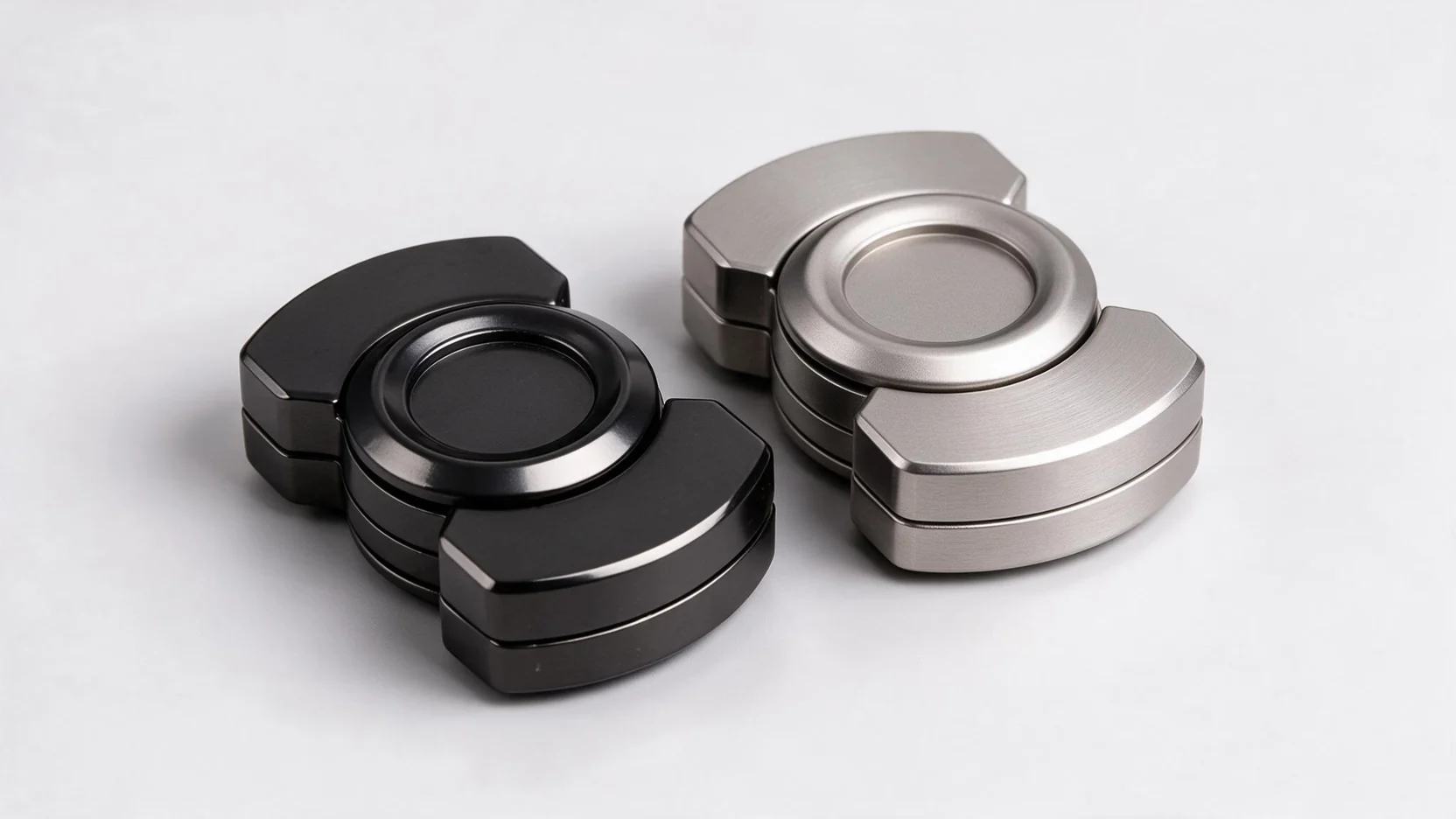
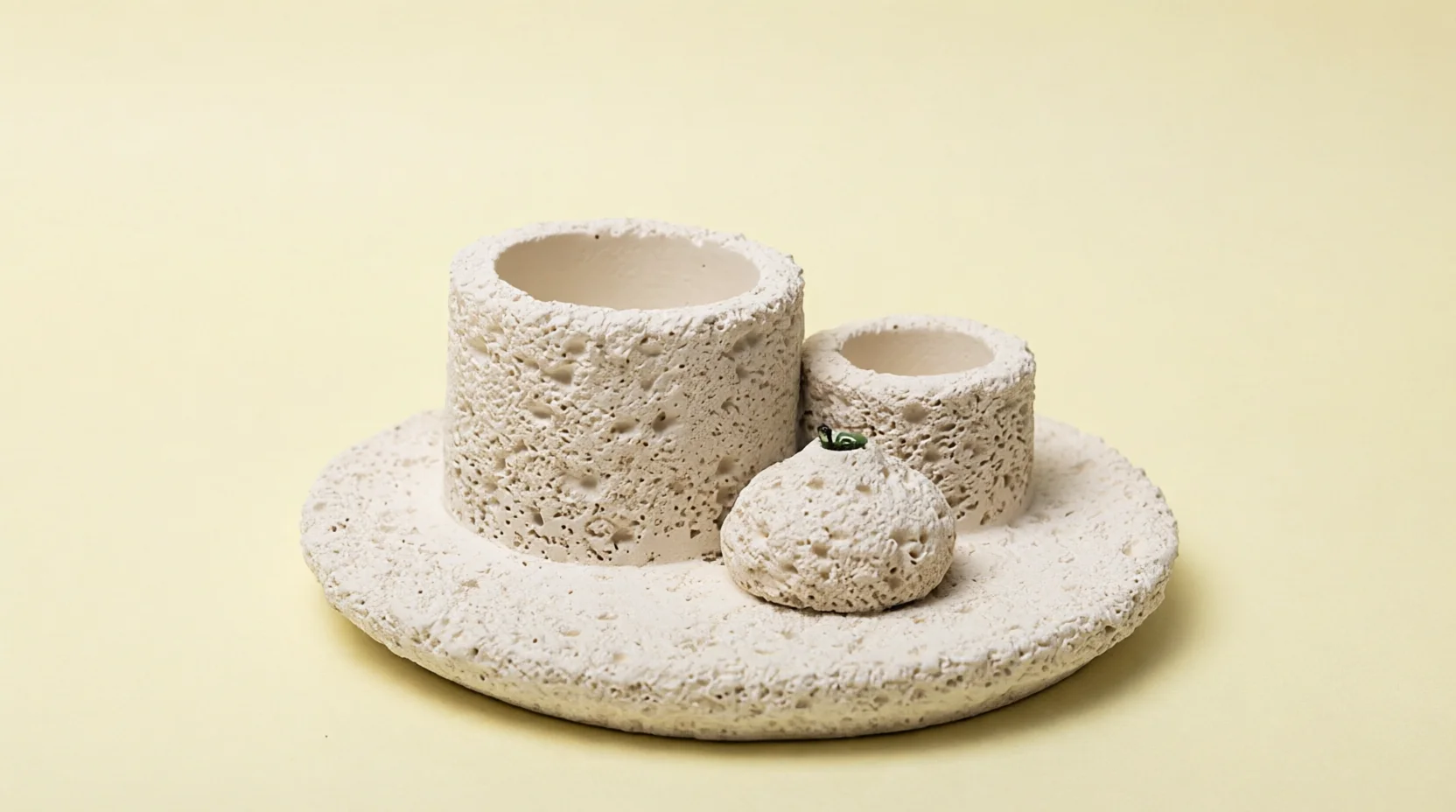
| Small decorative objects | High value per cubic centimetre, which is the only ratio that matters on air freight. | If they are sold as a set in a large box, you are paying for the box. |
| Textiles: cushions, throws, table linen | Dense, foldable, and they compress — which is the ideal freight profile. | Bulky filler, and anything that will not lie flat. |
| Small ceramics and stoneware | Heavy for their size, so they are charged on actual weight rather than volume. | Breakage risk, and therefore packing that adds size back. |
| Paper goods and printed items | Light and flat, which is close to free on a volumetric basis. | Larger than they need to be, and moisture in transit. |
And the categories where the arithmetic usually fails:
| Not worth it | Why |
|---|---|
| Anything oversized or overlong | Volumetric weight is derived from dimensions, so length and bulk are charged as if they were mass. A light, long item can cost more to ship than a heavy, small one. |
| Furniture and large flat-pack items | The volumetric charge is the price of a second, better-made piece bought locally, and the risk of transit damage is high. |
| Very cheap bulky items | When the freight exceeds the item price, the saving you came for has already been spent. |
| Anything you have not seen the size of in centimetres | “Large” and “medium” in a listing are not measurements, and the estimate you were given becomes a real figure only when the parcel can be measured. |
None of that is a rule about quality. Chinese factories make excellent furniture and excellent oversized objects. It is a rule about freight: the further a parcel is from being dense, the more of its cost is air.
The volumetric trap in home décor
Volumetric weight is derived from the dimensions of a parcel rather than from a scale, and carriers charge on whichever figure is greater. A large, light parcel therefore costs what a heavy parcel of the same size would cost.
Décor is unusually exposed to this because it is frequently designed to occupy space — a floor lamp, a tall vase, a woven basket. The item can be light as a feather and still be charged as though it were dense, and the freight estimate you were given before the goods arrived will move once the parcel can actually be measured.
The practical response is a habit rather than a rule: before ordering anything whose appeal is its size, ask for the centimetres. A listing that says “large” has told you nothing you can price.
Materials, and what they do in transit
| Material | How it behaves in transit | What to do |
|---|---|---|
| Ceramic and stoneware | Heavy, brittle, fails at rims and handles under contact. | Reinforced packing, separation between pieces. |
| Glass | Brittle, and thin sections fail unpredictably. | As above, plus accepting a higher risk than ceramic. |
| Resin and polyresin | Light and tough, but chips at sharp edges and can warp in heat. | Generally straightforward; watch for fine detailing. |
| Fabric and natural fibre | Compresses well, but absorbs moisture and creases. | Keep dry, avoid separating a set across parcels. |
| Metal with a decorative finish | Scratches against itself, and thin plating marks. | Wrap individually rather than together. |
The material questions and the packing questions are the same question. Once you know what the item is made of, how it needs to travel is mostly determined — which is why the packing conversation is worth having before the order rather than after.
Combining décor items sensibly
Two habits make a décor order work. First, combine items that pack into each other rather than beside each other — textiles around ceramics, small objects inside larger ones, and anything hollow filled rather than left open. Second, do not mix a heavy, rigid item into a parcel of delicate ones; that pairing is the most common cause of damage in a mixed order, and it is created by how the parcel is composed rather than by how carefully it is wrapped.
Where you are buying several pieces, it is worth telling us the whole list at once rather than one order at a time. Consolidating them into a single parcel removes a set of fixed charges and, more importantly, lets the packing be planned around everything that is going into the box.
Questions we get asked
Is 1688 cheaper than Taobao for home décor?
Usually, for the same item, because 1688 is upstream: many Taobao sellers are buying from 1688 themselves and adding a margin. The saving is real but it is smaller than the headline prices suggest, because the quantity tiers mean the low price often applies at ten pieces rather than one, and because you still have to get the goods from a factory to a parcel. The honest comparison is not one price against another, it is one landed cost against another, which is the calculation in our landed-cost article.
How do I know the size before I buy?
Ask for dimensions in centimetres, and do not accept “large” as an answer. On 1688 the specifications are often listed even where the photographs are poor, so the numbers are frequently there to be read. Where they are not, our quote process is the moment to get them, because the freight figure only becomes real once the parcel can be measured — and a size that surprises you after the goods have arrived has already been paid for.
What is volumetric weight and why does it matter for décor?
It is a weight calculated from the dimensions of a parcel rather than from a scale, and carriers charge on whichever is greater, actual or volumetric. Décor is unusually exposed because so much of it is designed to occupy space: a light but bulky item is charged as though it were dense. This is the single most common reason a freight estimate moves between the quote and the shipment, and repacking to reduce the outer dimensions is the lever that fixes it.
Can I order a single item from 1688, or is there a minimum?
It varies by seller: some will sell one, some price sharply at ten and above, and some are set up only for trade quantities. The quantity tier is worth reading before you decide what you want, because the arithmetic can change completely between one and ten — not only in item price but in freight, packing and the fixed customs components, all of which spread across more units as the order grows.
Can you source furniture or large items?
We can quote them, and the quote will usually make the decision for you: a large flat-pack item travels badly and is charged on volume, so the freight plus packing frequently approaches the price of an equivalent piece bought locally, before any damage risk is weighed. If you are set on something from China, the categories that travel well are the small, dense ones — ceramics, textiles, small decorative objects — and those are where your money goes furthest.
Where to start
Send photos of the listings, with the sizes if you have them, and you will get item cost, our fee, packing and freight as separate lines in the quote. If you are buying several pieces, send them together so they can be consolidated into one parcel and packed as a whole. Shipping & Duties covers the lines and links to the official source for each destination.
What we sell in this area
- Home & Relaxation — small, dense décor and quiet objects for a calmer room
- Incense & Fragrance — burners, holders and hand-blended incense
Related reading
- Buying Chinese Tea Sets and Ceramics Without Breakage — peakage is geometry, not padding.
- Buying Craft Kits and Stationery From China in Bulk — what changes when quantity does.
- Shipping & Duties — the delivery lines and each customs authority’s own page.
- Send Photos — four figures we can give you, and no invented duty number.
- How It Works — the four steps of a purchasing order.
This article describes how buying from Chinese marketplaces works in general terms as we understand it in September 2026, and is not customs, tax or legal advice. Sellers, platforms and import rules change. Questions about a specific order? Email info@elovyrhaven.com.