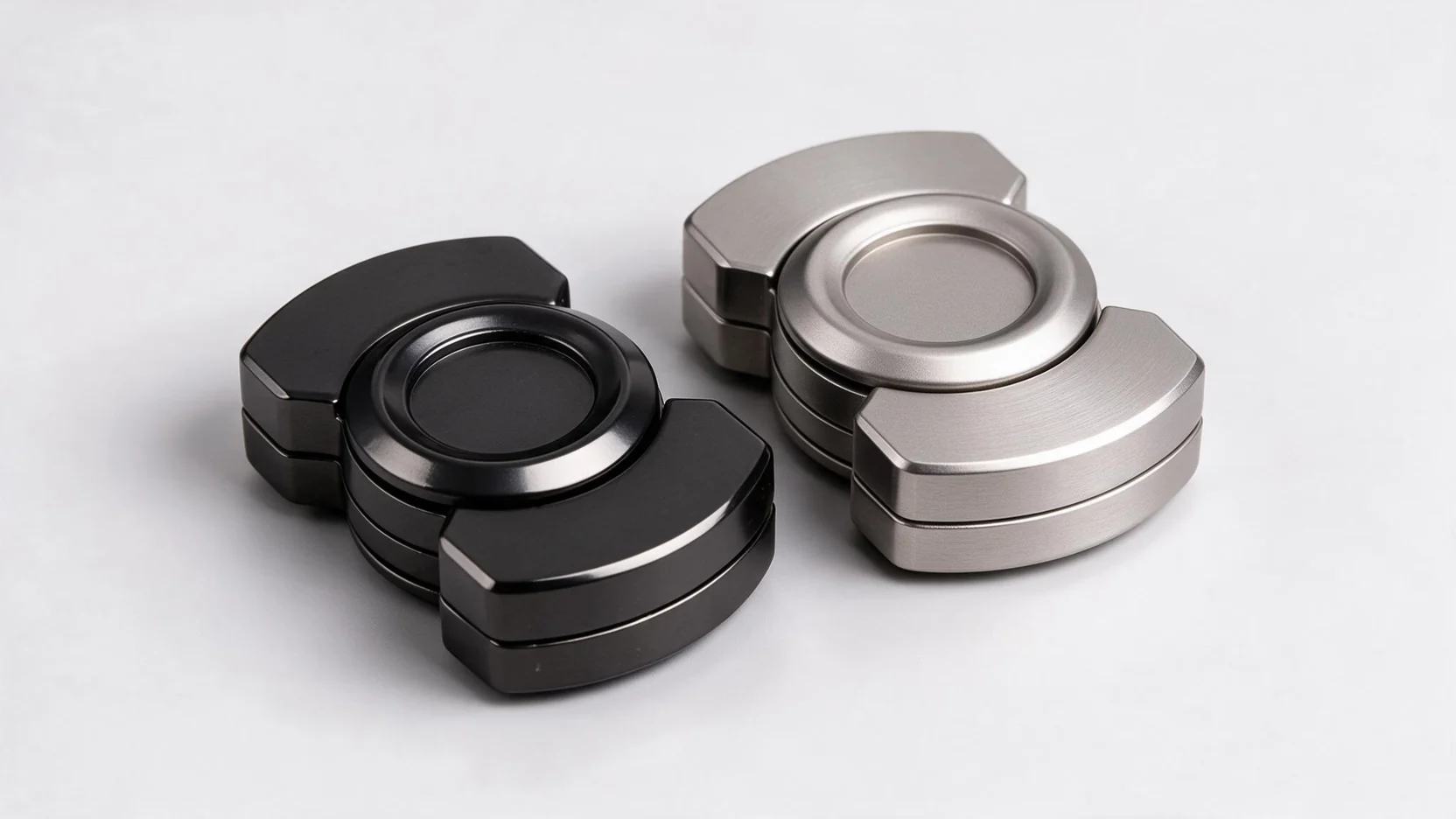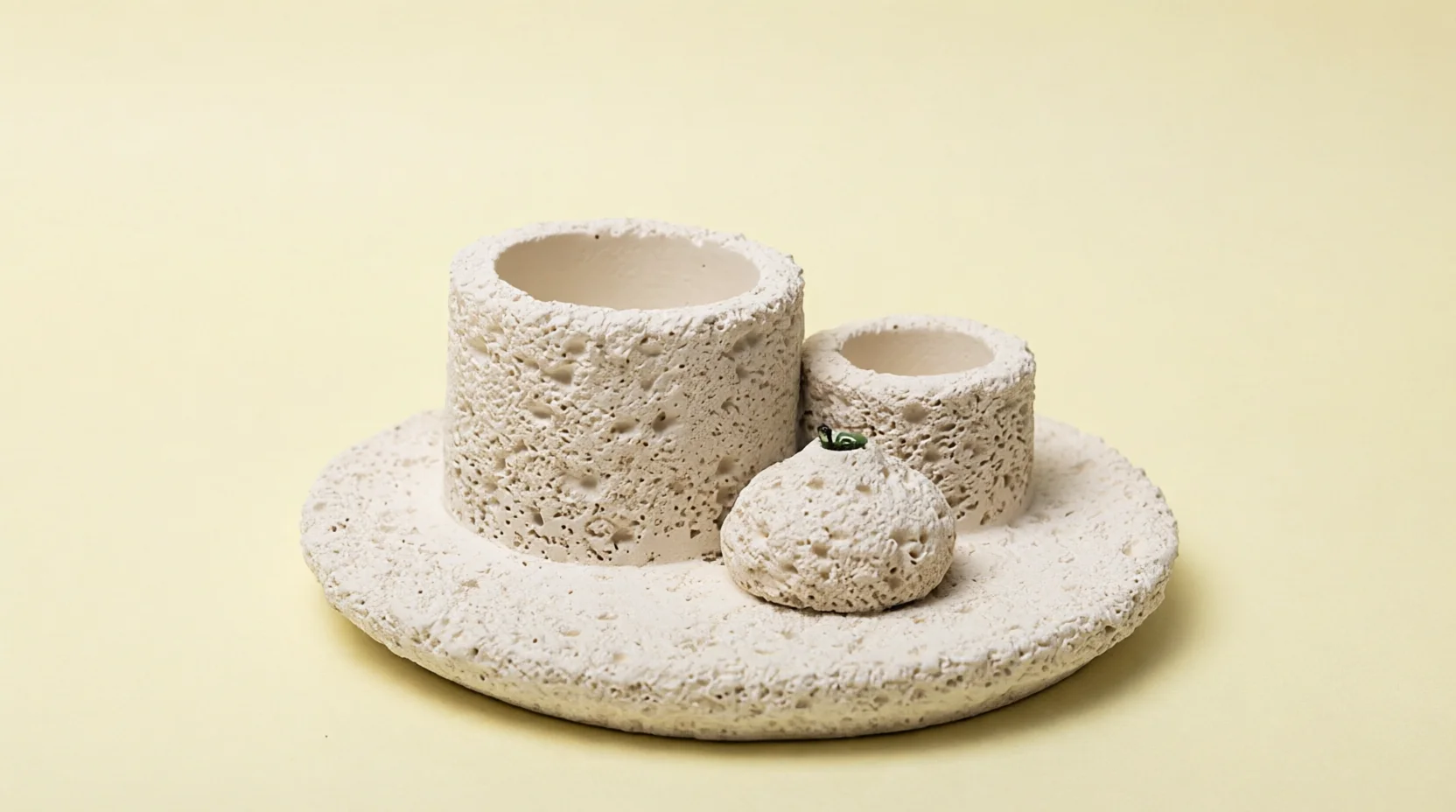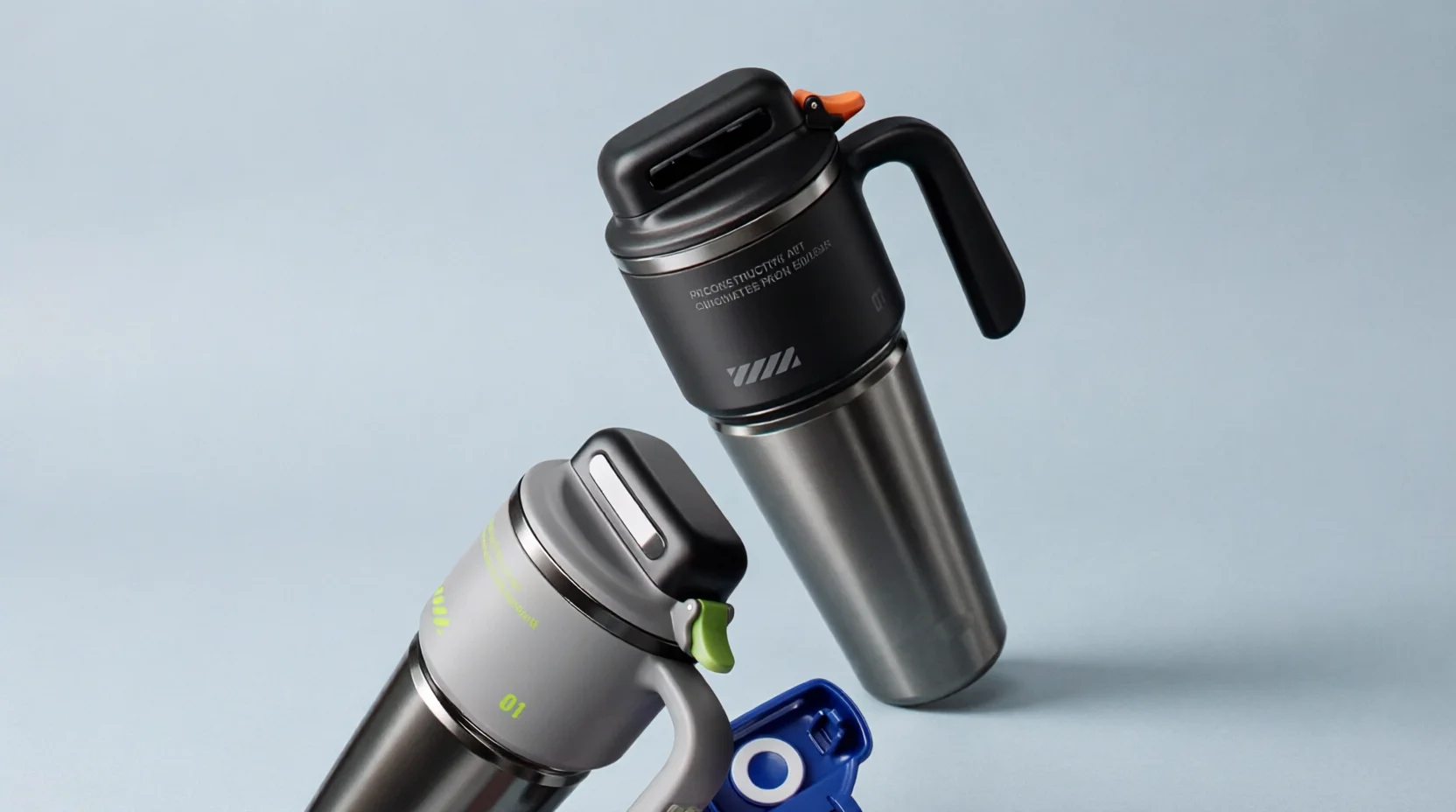


The first thing you notice is not how it looks. It is that your thumb has to mean it.
A moulded plastic fidget moves the moment you nudge it. A machined metal wheel moves when you push it — and then keeps moving for a beat longer than you expected, and settles on a segment with a small, definite sound. That half second of coasting is where the difference lives. Everything else in this article is an explanation of it.
What “metal” actually means on a fidget toy
“Metal fidget toy” covers everything from a hollow zinc casting to a solid brass ring, and the two feel nothing alike in the hand. The word on its own tells you almost nothing. What matters is which metal, how much of it there is, and how the part was made.
Three you will meet most often:
- Zinc alloy — dense, takes a fine finish well, and can be cast or machined. It is what most mid-range metal fidgets are made from, because it carries enough weight to feel substantial without the cost of brass or stainless steel.
- Brass — the warm one. Heavier than it looks, machines cleanly, and darkens with handling rather than staying bright.
- Stainless steel — the cool, neutral one. Harder to work, holds a crisp edge, and keeps the same colour for years.
None of these is simply better than the others. A brass band and a steel card do different jobs: one is warm and stepped, the other is flat and silent.
Machined or moulded: the difference your thumb notices
You rarely think about how a part was made until you handle a moulded one directly next to a machined one. Then it becomes obvious within a few seconds.
- A moulded body has a parting line — a faint seam where the two halves of the tool met. It runs around the edge, usually near the widest point. Machined parts do not have one, because nothing was pressed together.
- Edges differ. Moulded edges are rounded off, because sharp plastic chips. Machined metal can hold a crisp edge, and most of it does — that is the edge your thumb actually registers.
- Weight is consistent. Machined pieces come off the same stock to the same dimensions, so one unit balances like the next. Castings vary slightly from piece to piece.
It takes longer per piece, which is most of the reason machined fidgets sit at a different price point. You are not paying for a logo. You are paying for the hours.
Weight and balance: why the gram figure is worth knowing
Weight is the specification people skip and then notice first.
Below roughly 30 g, a fidget barely announces itself — it feels like it is not there, and the motion has nothing behind it. Above roughly 120 g it stops being something you carry and becomes something that lives on a desk.
Between those, somewhere around 50–75 g, is the band where most people stop noticing the object and start noticing the movement. Heavy enough that the momentum is real; light enough that it disappears into a pocket.
For reference, the two wheels in this article sit inside that band: our Decision Maker Metal Wheel is about 5 cm across and around 60 g, and the Copper Dice Dial is about 4.5 cm and around 55 g.
The finish, and what happens to it over six months
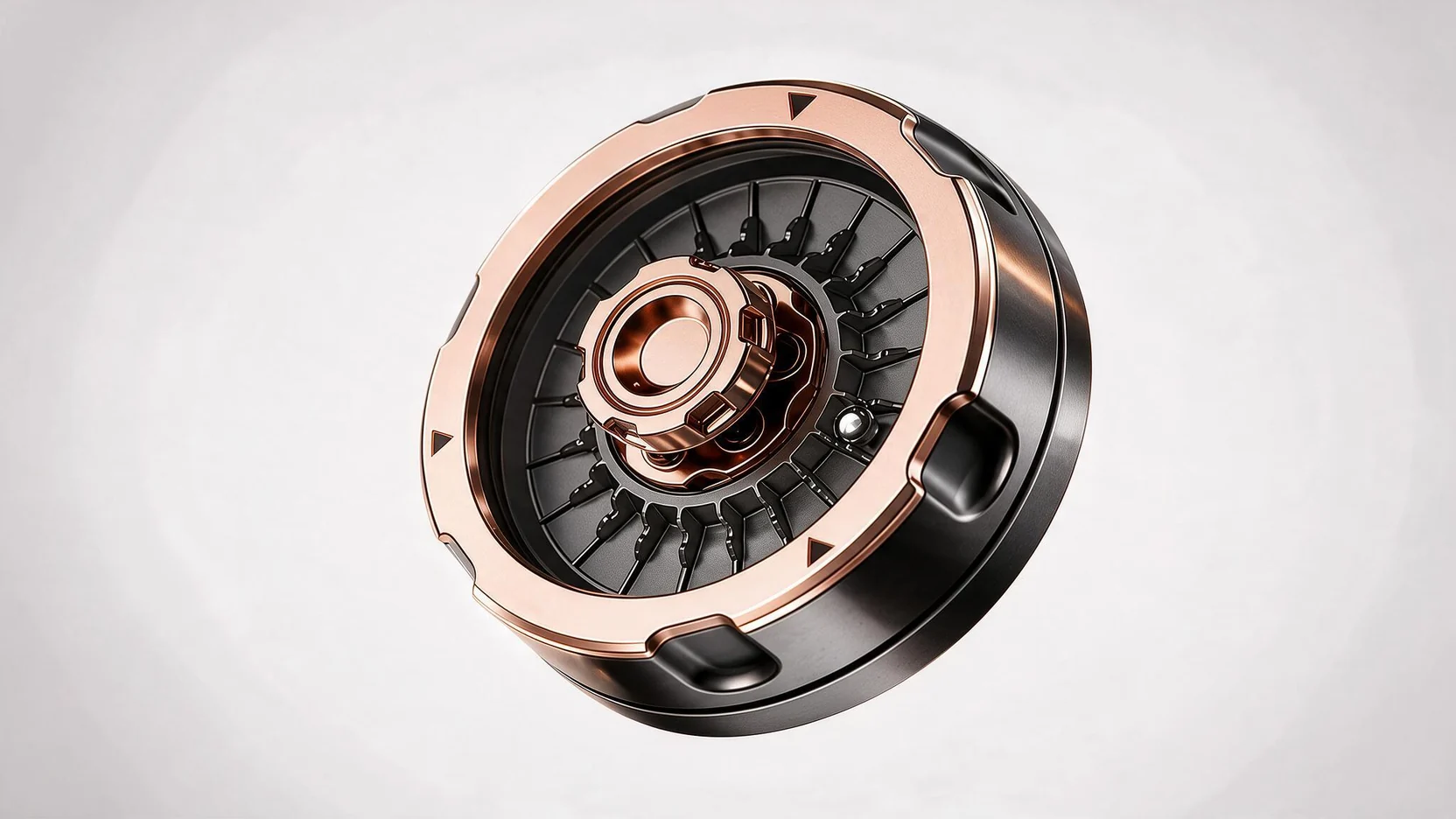
Two finishes behave in almost opposite ways, and the choice matters more than most buyers expect.
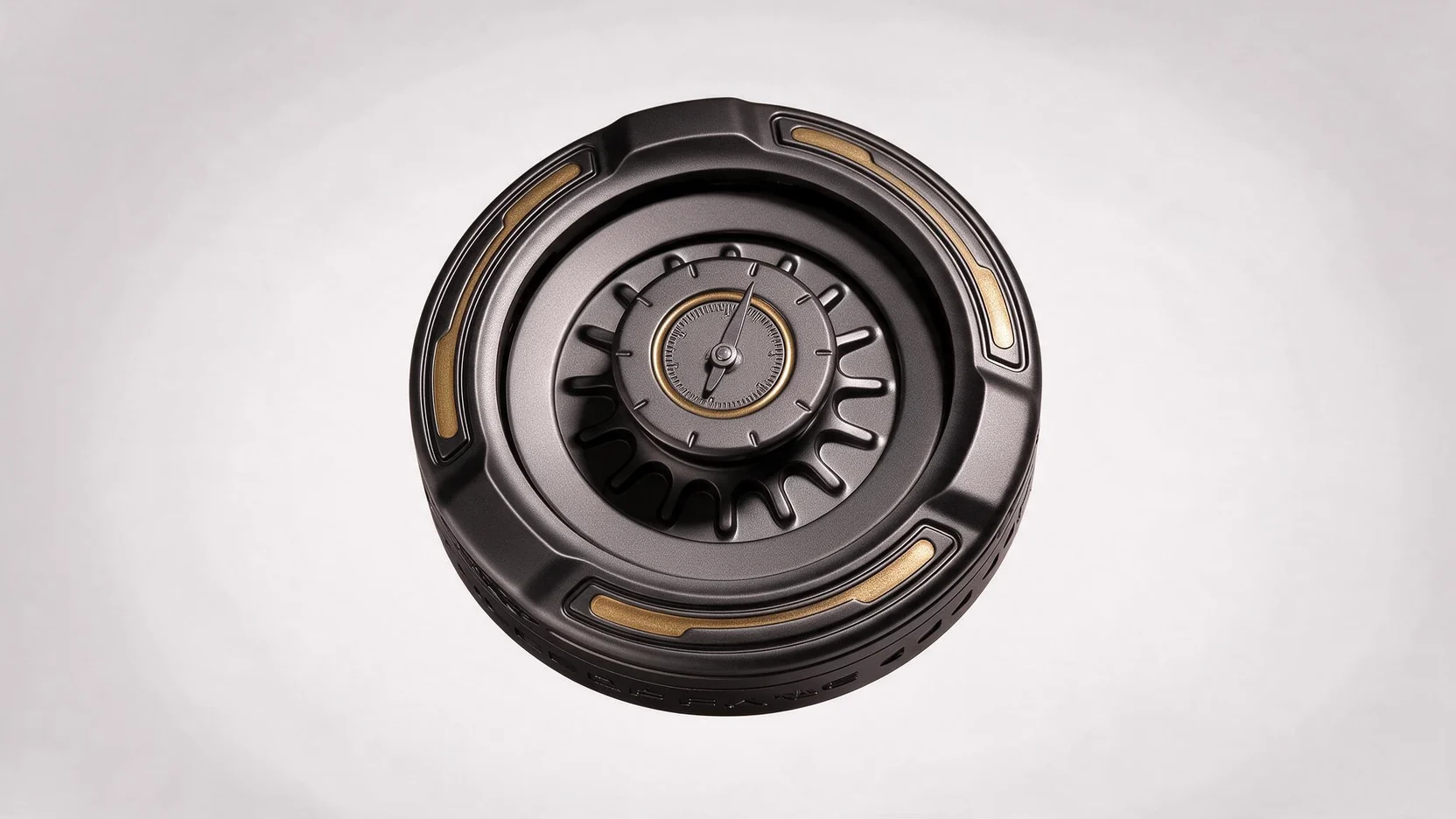
A coated gunmetal finish, like the dark body of the decision wheel, is a hard surface applied over the metal. It holds its colour. A year of pocket carry will not change it much — which is exactly the point if you want the piece to look the way it did the day it arrived.
Copper-bronze does the opposite. The dice dial is finished in a warm copper-bronze that darkens where your thumb rests most often, so the piece develops a softer patina over time instead of looking worn. No two end up quite alike.
Neither is the right answer. One is for people who want the object to stay constant. The other is for people who want it to keep a record.
The mechanism: bearings, defined stops, and motion you can feel
A dial that rides on a central bearing behaves differently from one that simply sits loose in a housing, and the difference shows up in three ways:
- It coasts. A single flick carries it for a few seconds rather than stopping dead the instant your thumb leaves it.
- It settles. The indicator needle comes to rest on a segment, so the motion ends somewhere instead of simply fading out. That ending is what makes it feel deliberate.
- Nothing loose is inside. Because the moving parts turn on a bearing rather than rattling against a shell, there is no spare play to knock about.
That last point is also why a metal wheel tends to be easier to live with in a shared room than a clicker: the movement is transferred through your thumb rather than broadcast across the desks.
Two we build this way
Both are in our EDC & Fidget Toys collection, and both are made the way described above: machined metal, a dial on a central bearing, and a finish chosen for how it ages.
Decision Maker Fidget Spinner — Metal Wheel Fidget
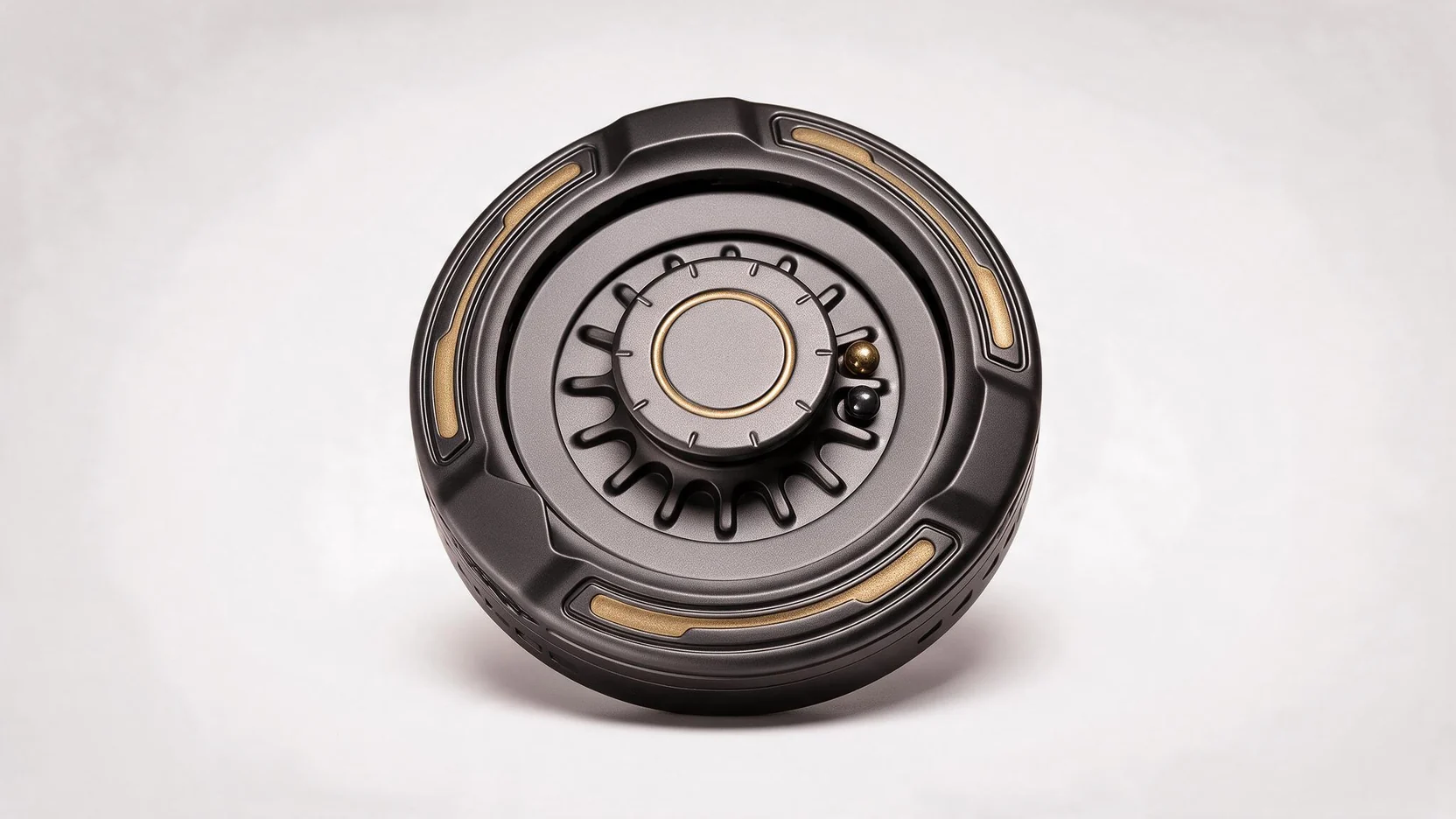
A dark gunmetal body with a brass-copper dial face, engraved markings and a slender indicator needle on a central bearing. Because the dial both spins freely and settles on a segment, it works as a straight fidget and as a decision-maker: flick it, wait for the needle, and take the answer.
Specifications: zinc alloy with gunmetal PVD and brass-copper accents · spinning dial wheel with indicator needle on a precision bearing · diameter approx. 5 cm · weight approx. 60 g · textured knurled rim.
See the Decision Maker Metal Wheel →
Mechanical Decision Wheel Fidget — Copper Dice Dial
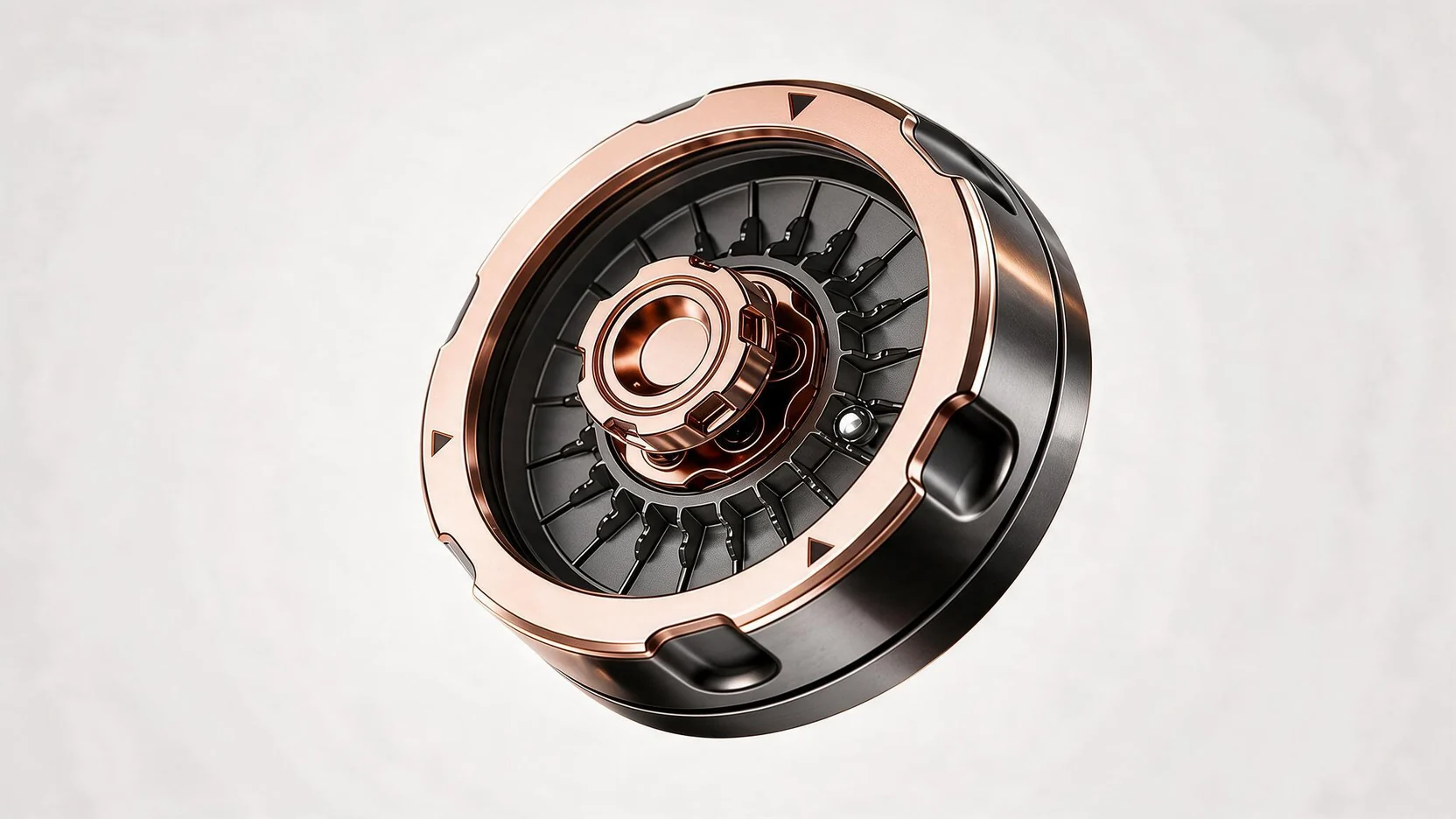
The warmer of the two. Segment markings are cut into the raised face rather than printed, so they read clearly and will not rub off with use, and the copper-bronze finish is the one that will darken into a patina on the side your thumb favours.
Specifications: zinc alloy with copper-bronze finish · engraved decision dial with indicator pointer on a precision bearing · diameter approx. 4.5 cm · weight approx. 55 g.
Questions we get asked
Is a metal fidget toy too heavy to carry?
At around 50–60 g it is noticeable in the hand and unremarkable in a pocket — roughly the weight of a small set of keys. If you want it to disappear entirely, a slim push card is the better shape; if you want the motion to have momentum behind it, the weight is the feature rather than the cost.
What is the difference between zinc alloy and brass?
Zinc alloy is the more common base metal because it is dense, takes a good finish and keeps the price reasonable. Brass is warmer in tone and darkens with handling. Many pieces use both: a zinc alloy body for the structure and brass detailing where the eye and thumb land.
Will a machined metal fidget scratch?
Metal can be marked, but the finishes used here are chosen to hide it. A coated gunmetal surface holds its colour, and a brushed or textured face shows handling far less than a mirror polish would. A textured rim or a satin face is the practical choice for something that lives in a pocket.
Does the copper finish wear off?
A copper-bronze finish does not flake; it changes. Where your thumb rests most, the surface darkens gradually into a patina. That is the intended behaviour rather than damage, and it is why two identical wheels end up looking different after a year.
How should I look after one?
Keep it dry and wipe it with a soft cloth. A coated or brushed finish does not need polish, and abrasive metal polishes can dull the very surface you are trying to protect. There is nothing else to service — no batteries, no electronics, no parts to replace.
Is this a treatment for anxiety?
No, and we would not sell it as one. A fidget is a small tool for a moment: something for restless hands to do while your attention is elsewhere. Many people find a solid, quiet object easier to settle with than a screen, and that is the whole of the claim.
Where to start
If you are not sure which shape suits you, the difference comes down to a single question: do you want the motion to settle on an answer, or do you simply want something quiet to hold? The wheels above are for the first. Our EDC fidget collection has the push cards and rings for the second.
Both pieces are in stock and ready to ship, with shipping included in the price. Add one to the cart, or send a wholesale enquiry if you are ordering several.
This article is about materials and machining, not health. Nothing here is medical advice, and a fidget is not a treatment for any condition.
Related reading
- Fidget Toys for Anxiety at Work: Loosening the 3pm Knot
- Quiet Fidget Toys for Open Offices: What Actually Passes
- Gifts for People Who Fidget: 5 Ideas That Get Used
- Minimalist Home Decor: Why Fewer Objects Make a Calmer Home
- How our China purchasing service works — if you want a factory to make your own design, we can buy and ship it for you.